Research Article
Agro-ecological Simplified System (AESS): Constructing a Green, High-yield Agricultural Theoretical Framework Based on ARC Growth-promoting Coupling and ABD Defense Coupling 

 Author Correspondence author
Molecular Soil Biology, 2026, Vol. 17, No. 6
Received: 24 Sep., 2026 Accepted: 29 Oct., 2026 Published: 25 Nov., 2026
Why does agriculture become more fragile as it becomes more “modernized”? The long-term superimposition of fertilizers, pesticides, irrigation, and mechanical inputs once boosted yields per unit area, but at the same time led to soil degradation, loss of biodiversity, and high dependence on markets and energy. On the basis of reflecting on this “technological stacking trap,” this study proposes the framework of the Agro-ecological Simplified System (AESS), which reorganizes farmland patterns through a configuration that is “fewer but refined, simpler yet stronger.” AESS unfolds along three dimensions: structural simplification, process simplification, and functional intensification. The input intensity index (III) is used to characterize the pressure of exogenous inputs, the management complexity index (MCI) to measure operational and decision-making burdens, and the system function index (SFI) to comprehensively evaluate yield, ecosystem services, and resilience performance. On this basis, ARC growth-promoting coupling and ABD defense coupling are introduced: the former enhances crop growth and carbon sequestration capacity through rhizosphere microorganisms, nitrogen fixation, and nutrient cycling, while the latter integrates Bt/RNAi, antagonistic microbes, and natural-enemy networks to rebuild multilevel biological defense. The coupling of these three components jointly shapes a new green, high-yield agricultural system with life processes as its core driving force.
0 Introduction
Contemporary agriculture is increasingly trapped in what may be termed a “technology stacking trap”. Since the Green Revolution, external technologies-such as chemical fertilizers, pesticides, high-yielding varieties, and large-scale agricultural machinery-have been continuously layered onto production systems. At certain stages, these inputs significantly increased yields and commercialization rates, alleviating food security pressures (Horrigan et al., 2002; Zhang et al., 2018). However, their costs have become progressively evident: persistent declines in soil organic matter, coexisting soil compaction and acidification, excessive fertilizer and pesticide application leading to soil and water pollution, biodiversity loss, and disruption of key ecological processes, as well as plastic film residues exacerbating non-point source pollution and ecological toxicity accumulation (Horrigan et al., 2002; Zhang et al., 2018; Shah and Wu, 2019; Rad et al., 2022). Agriculture has become the largest global consumer of freshwater, and water contamination caused by pesticide residues and nutrient runoff poses serious threats to human health and ecosystems (Rad et al., 2022). Meanwhile, dependence on fossil-fuel-driven machinery and energy-intensive irrigation not only increases greenhouse gas emissions but also exposes agriculture to risks associated with energy market volatility and resource scarcity (Horrigan et al., 2002; Abbas et al., 2022). On the surface, the more technology is applied and the more refined management becomes, the more “modernized” agriculture appears. Yet under shocks such as climate anomalies, pest outbreaks, or market fluctuations, systems that rely heavily on external inputs often exhibit greater fragility and lower resilience. This reflects a structural contradiction characterized by “high input-high pollution-high risk-low resilience” (Gras and Cáceres, 2020; Balyan et al., 2024).
This dilemma is closely related to the “marginal decline effect” embedded within the chemical-industrial agriculture pathway. In the early stages, increasing fertilizer, pesticide, and machinery inputs rapidly elevates yield curves, generating significant marginal returns. However, as input levels continue to rise, the marginal yield response declines sharply. Fertilizer use efficiency decreases, and maintaining existing production levels requires ever-increasing inputs, further intensifying environmental pollution and resource depletion (Zhang et al., 2018; He et al., 2020). At the same time, cascading effects-such as enhanced pest resistance, weed community shifts, and reduced soil microbial diversity-accumulate and weaken the system’s self-regulation and recovery capacity (Horrigan et al., 2002; Shah and Wu, 2019). Against this backdrop, a new wave of “precision agriculture” and “digital agriculture” has attempted to enhance efficiency through more refined input management. However, in practice, data inaccuracies, technological barriers, and unequal access often prevent these approaches from fulfilling their promises, and in some cases create a “precision trap”-where technological upgrades continue without addressing underlying ecological imbalances (Visser et al., 2021; Barrett and Rose, 2022; Balyan et al., 2024). To compensate for these negative effects, producers frequently intensify input use further, forming a vicious cycle of “problem-input-new problem-additional input”. Agriculture thus becomes locked into a continuously accelerating “technological treadmill”, in which economic benefits increasingly concentrate in input supply sectors, while farmers’ profit margins and ecological resilience are simultaneously compressed (Horrigan et al., 2002; Gras and Cáceres, 2020).
Under such circumstances, a pressing yet often overlooked question emerges: why does agriculture become more fragile as it becomes more modernized? Within the traditional industrial agricultural paradigm, “modernization” is often reduced to the continuous stacking of technological elements and the maximization of a single yield indicator. This approach emphasizes monocropping, system homogenization, and strong control over natural processes, while paying insufficient attention to ecological resilience, resource-use efficiency, and environmental carrying capacity (Horrigan et al., 2002; Shah and Wu, 2019; Gras and Cáceres, 2020). As a result, when external conditions remain stable, the system can maintain high yields through intensive external inputs; once climate, market, or policy conditions fluctuate, this high-input production model becomes highly unstable or even prone to collapse. Heavy dependence on external inputs and distant markets disconnects farmers from local ecological knowledge and material cycles, weakening their capacity to adapt to environmental change. Long-term soil health, water resources, and biodiversity are continuously depleted, gradually eroding the ecological foundations upon which agricultural production depends (Zhang et al., 2018; Shah and Wu, 2019; Gras and Cáceres, 2020). Evidence suggests that merely “patching up” the existing paradigm by stacking new technologies to offset the side effects of old ones cannot fundamentally escape the “technology stacking trap”, and may instead deepen path dependence on external technologies and capital (Horrigan et al., 2002; Gras and Cáceres, 2020). What is required is not simply an updated list of technologies, but a transformation and upgrading of the agricultural development paradigm itself.
This study proposes the Agricultural Ecological Simplification System (AESS), aiming to construct a green agricultural theoretical framework that shifts from “controlling nature” to “activating nature”. AESS does not merely reduce inputs; rather, under conditions of structural and process simplification, it stimulates endogenous vitality of biological processes through ARC growth-promoting coupling, and reconstructs crop-microbe-natural enemy networks through ABD defense coupling to strengthen system functions. This approach emphasizes configurations and management that are “minimal yet precise, simple yet powerful”, enhancing nutrient-use efficiency and yield stability while reducing dependence on chemical fertilizers, pesticides, and fossil energy. In doing so, it provides a theoretical basis for improving the overall performance of agricultural ecosystems.
1 Theoretical Foundations
1.1 Proposal of the Agricultural Ecological Simplification System (AESS)
The Agro-ecological Simplified System (AESS) is a novel agroecological theoretical framework proposed on the basis of critical reflection on traditional agricultural development pathways characterized by high input, high intervention, and strong control. A substantial body of research indicates that “modern agriculture”, driven by external inputs such as chemical fertilizers, pesticides, irrigation, and mechanization, has indeed significantly increased yields and commercialization rates during certain periods. However, it has also generated structural problems including diminishing returns, environmental degradation, and increased system vulnerability (Thérond et al., 2017; Pretty, 2018; Pretty et al., 2018; Petersen-Rockney et al., 2021). In particular, development pathways that rely excessively on chemical inputs and technological stacking tend to weaken ecological processes and the self-organizing capacity of agricultural systems while promoting short-term yield growth. As a result, agriculture often becomes “high-yield but unstable” and “high-input but low-resilience” when confronted with climate change, market volatility, and institutional uncertainty (Thérond et al., 2017; Pretty, 2018).
Against this background, the core concept of AESS is not a simplistic “input and output reduction”, but to selectively reduce dependence on external substances, energy, and excessive management under the premise of scientifically identifying key constraints and functional redundancies in the system, and concentrate limited inputs on maintaining and strengthening key life processes and core functions of agricultural ecosystems. In a concise formulation, AESS can be expressed as:

Here, SS represents Structural Simplification, PS represents Process Simplification, and FI represents Functional Intensification. Together, these three components determine the overall performance of the system. In other words, on the basis of structural and process simplification, overall system performance is enhanced through functional intensification (Thérond et al., 2017; Pretty, 2018; Pretty et al., 2018).
Unlike traditional technology combination models oriented toward “factor stacking” and “single-yield maximization”, AESS emphasizes the coordinated optimization of internal structure-process-function relationships within the system. Its focus shifts from “whether technological elements are sufficiently comprehensive” to “whether the system achieves an efficient, stable, and low-cost functional configuration”. Within this framework, structural simplification does not equate to the absence of essential elements, and process simplification does not imply extensive or coarse management. Rather, through scientific design, the system’s structure becomes clearer, the pathways of energy and material flows more efficient, and biological processes more fully activated, thereby achieving the goal of “simplified yet not simplistic” green high productivity (Pretty, 2018; Pretty et al., 2018). In this sense, AESS can be understood as a “simplification-synergy-intensification” systems model for agroecology. It represents a paradigm shift from “more is better” to “just enough”, providing an operational theoretical framework for the redesign of agricultural systems (Thérond et al., 2017; Tittonell, 2020).
1.2 Three core dimensions
To translate the AESS concept into a technical system that is analyzable, assessable, and optimizable, this study decomposes it into three interrelated core dimensions: Process Simplification (PS), Structural Simplification (SS), and Functional Intensification (FI). Together, these form a three-tier progressive framework from the outside inward: the outer layer is process simplification, the middle layer is structural simplification, and the core layer is functional intensification (ARC/ABD).
At the process level, AESS regards “management operations-intervention frequency-institutional complexity” as key variables affecting system stability and farmers’ burdens. Frequent mechanical operations, repeated pesticide applications, and highly intensive fine management are often accompanied by increased management complexity, greater labor and decision-making pressure, and potential disruption of the natural rhythms of ecological processes. For this reason, a Management Complexity Index (MCI) is introduced.
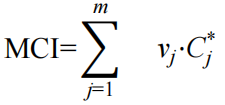
where  represents the standardized value of the j-th management element (e.g., number of operations, number of procedural steps, number of key decision nodes, number of operations requiring specialized technical support, etc.), and
 denotes the corresponding weight (
 ), reflecting the relative importance of each component in overall management complexity.
This index is used to comprehensively characterize the complexity of management elements such as operation frequency, process diversity, and decision nodes. By reducing the Management Complexity Index (MCI), the production system is guided to minimize excessive intervention while maintaining necessary supervision and critical control points. This allows ecological processes and farmers’ knowledge to jointly function, thereby enhancing system autonomy and resilience, particularly benefiting resource-constrained and smallholder farming systems in adopting sustainable practices (Pretty, 2018; Petersen-Rockney et al., 2021).
At the structural level, AESS focuses on the total quantity and allocation efficiency of external material and energy inputs within the production system. It emphasizes optimizing cropping structure, input structure, and energy structure to minimize unnecessary or inefficient external inputs, thereby leaving more “functional space” for ecological processes and biological interactions. For this purpose, an Input Intensity Index (III) is introduced:
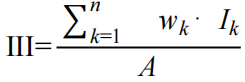
where  represents the standardized quantity of the k-th category of external input (such as chemical fertilizers, pesticides, irrigation water, fuel, etc.),
 denotes the corresponding weight (which may be determined based on environmental costs or economic costs), and
 refers to the unit area or the corresponding production level.
This index is used to characterize changes in comprehensive input intensity per unit area or per unit output, providing a quantitative basis for assessing whether structural simplification has truly been achieved. The logic of structural simplification corresponds to empirical findings that heavy reliance on external inputs leads to the accumulation of negative environmental externalities and increased system vulnerability (Thérond et al., 2017; Pretty, 2018; Pretty et al., 2018). At the same time, landscape simplification and monocropping have been shown to filter species traits and promote biotic homogenization, thereby weakening key ecological functions (Gámez-Virués et al., 2015). This further highlights the necessity of restoring diversity and heterogeneity through structural simplification.
At the functional level, the objective of AESS is not to “weaken functions to reduce costs”, but to enhance overall system performance by activating and leveraging biological processes. Functional intensification is primarily reflected in three aspects: first, improving production functions, including yield, quality, and stability; second, strengthening ecological functions, such as nutrient cycling, biological pest regulation, carbon sequestration, and biodiversity conservation; and third, enhancing system stress resistance and resilience. For this purpose, a System Function Index (SFI) is introduced:

where P* represents the production function sub-index (a composite standardized value including yield level, quality scores, and interannual stability, etc.), E* represents the ecological function sub-index (a composite standardized value including soil health, biodiversity, nutrient cycling efficiency, carbon sequestration capacity, etc.), and R* represents the resilience sub-index (a composite standardized value including drought and flood tolerance, yield retention under pest outbreaks, and recovery speed after extreme events, etc.); α, β, γ are weighting coefficients (α+β+γ=1), which can be determined according to research objectives or expert judgment.
This formulation enables the integrated quantification of multi-dimensional functions, including production, ecological performance, and resilience. AESS regards ARC (auxin-rhizosphere coupling) and ABD (agroecological biotic defense coupling) as concentrated expressions of functional intensification. Through the synergistic interactions of rhizosphere microbial communities, natural enemy networks, and multi-level food webs, system output and stability can be maintained or even enhanced under reduced chemical input conditions (Thérond et al., 2017; Pretty, 2018; Pretty et al., 2018; Tittonell, 2020).
The interaction among III, MCI, and SFI helps determine whether “simplification” is genuinely accompanied by “intensification”, thereby avoiding the misinterpretation of “input reduction” as “system weakening”. Together, these three indices constitute the quantitative “structure-process-function” framework of AESS (Figure 1), providing the theory with operational capacity for monitoring, comparison, and optimization (Thérond et al., 2017; Pretty, 2018).
 Figure 1 Structural-process-function three-layer circular model of the agro-ecological simplified system (AESS) Image caption: The Agro-ecological Simplified System (AESS) conceptualizes sustainable agricultural performance through a three-layer concentric structure integrating process simplification, structural simplification and functional intensification; The outer layer represents process simplification, reducing management complexity (MCI) through fewer field operations, lower intervention intensity and simplified institutional arrangements; The middle layer represents structural simplification, lowering input intensity (III) by optimizing external inputs, enhancing landscape heterogeneity and strengthening system resilience; At the core, functional intensification is achieved through the coupling of ARC (auxin-rhizosphere coupling) and ABD (agroecological biotic defense), which activate key ecological functions including nutrient cycling, biodiversity, natural pest control and carbon sequestration, thereby increasing the system function index (SFI); The model highlights that productivity and resilience emerge from life-based processes enabled by simplification, rather than from technological stacking |
1.3 The theoretical significance of AESS
From a broader perspective, AESS represents, first and foremost, a theoretical shift in agricultural development dynamics from “input-driven” to “endogenously driven” systems. Traditional high-input models rely on the continuous increase of fertilizers, pesticides, energy, and capital to maintain high yields, making them highly sensitive to input price volatility and resource scarcity (Pretty, 2018; Pretty et al., 2018). In contrast, AESS emphasizes the transformation of life networks of soil-rhizosphere-microbe-crop-natural enemy systems to stimulate internal nutrient cycling, natural disease suppression, and ecological regulation processes, allowing the system itself to become the primary source of productivity (Thérond et al., 2017; Tittonell, 2020). Within this framework, ARC growth-promoting coupling enhances crop absorption and growth potential by reconstructing rhizosphere microecology, while ABD defense coupling strengthens systemic defense capacity by building multi-layered ecological immunity. Together, these mechanisms provide the biological foundation for achieving endogenous-driven agricultural productivity (Pretty et al., 2018; Tittonell, 2020).
Second, AESS embodies a transformation in management philosophy from “external control” to “ecological self-organization”. Traditional control-based management relies on external technologies to directly intervene in pest, disease, and weed control, nutrient supply, and water utilization, easily leading to high dependence on a single technology. Once that technology fails or becomes too costly, the system falls into passivity (Pretty, 2018; Petersen-Rockney et al., 2021). In contrast, AESS creates space for the self-organization of ecological processes through structural simplification and process simplification, allowing community succession, food web regulation, and microbial reassembly to function under relatively stable boundary conditions. Managers shift from being “comprehensive controllers” to “designers of boundary conditions” and “maintainers of system health”. This transformation aligns with the principles of complex adaptive systems, in which resilience and adaptability are emergent properties of well-designed ecological networks and feedback structures (Tittonell, 2020). It helps reduce lock-in effects associated with single external technologies and enhances the system’s capacity to adapt to uncertain environments.
Third, AESS emphasizes a methodological upgrade from “technology stacking” to “system coupling”. Under the traditional paradigm, new technologies are typically layered onto existing systems in the form of “patches” to remedy problems created by previous technologies, resulting in increasingly lengthy technological inventories and more complex system structures, without necessarily improving overall performance. AESS, by contrast, seeks to integrate key modules such as ARC and ABD through systemic coupling, treating growth promotion and defense, production and ecology, and input and output as mutually constraining and mutually reinforcing elements within a single system (Thérond et al., 2017; Pretty, 2018; Pretty et al., 2018). By clearly defining a three-layer concentric structure-outer layer: process simplification; middle layer: structural simplification; core layer: functional intensification (ARC/ABD) (Figure 1)-AESS theoretically reveals how green high productivity can be achieved through strong functional coupling under conditions of reduced input and reduced intervention. It provides a system-based pathway grounded in ecological principles to address the paradox that “the more modernized agriculture becomes, the more fragile it appears” (Tittonell, 2020).
By organically integrating structural simplification and process simplification with functional intensification, the AESS framework provides a solid theoretical foundation for agricultural system reconstruction. It no longer equates “modernization” with “unrestricted technology stacking and input escalation”, but instead emphasizes achieving green, high-yield, resilient, and adaptive agriculture under a “simplification-synergy-intensification” systems logic, closely aligning with sustainable development goals (Thérond et al., 2017; Pretty, 2018; Pretty et al., 2018; Tittonell, 2020).
2 Auxin-Rhizosphere Coupling: The Microecological Driving Module of AESS
2.1 Theoretical origins of ARC
ARC (Auxin-Rhizosphere Coupling) originates from recent systematic studies on root-microbiome interactions (Li, 2025, academic report). Accumulating evidence shows that crop roots selectively “filter” and assemble rhizosphere microbial communities through root exudates, thereby forming a relatively stable yet highly dynamic rhizosphere microecosystem (Hakim et al., 2021; Grover et al., 2021; Ansabayeva et al., 2025). This system not only participates in nutrient mineralization and transport but also deeply regulates plant hormone balance, stress responses, and immune activation. Its integrated effects often go far beyond the additive functions of single agricultural inputs (Hakim et al., 2021; Saeed et al., 2021).
Within the AESS framework, the rhizosphere microecosystem is regarded as the “system engine” or “microecological engine” driving the operation of agroecosystems. Unlike conventional models that rely on external chemical inputs and engineering interventions, ARC focuses on reconstructing and optimizing the “root-microbe-soil” interaction network. The goal is to unlock and amplify the intrinsic potential of the rhizosphere microecosystem without substantially increasing external inputs. Plant growth-promoting rhizobacteria (PGPR), arbuscular mycorrhizal fungi (AMF), and nitrogen-fixing bacteria are considered key functional nodes within this system. Through mechanisms such as nutrient solubilization, hormone synthesis, and modulation of root architecture, these beneficial microorganisms act synergistically to promote plant growth and constitute the core foundation for ARC to function effectively within AESS (Begum et al., 2019; Aasfar et al., 2021; Grover et al., 2021).
By selectively enriching key functional microbial groups, strengthening symbiotic relationships, and optimizing root system architecture, ARC growth-promoting coupling provides AESS with a “life-driven module” that is designable, manageable, and capable of self-organization. This module forms an essential theoretical and practical foundation for the endogenous driving forces of AESS (Hakim et al., 2021; Ansabayeva et al., 2025).
2.2 Mechanisms of ARC action
Within the AESS framework, ARC influences crop growth, system health, and sustainability through a series of interconnected mechanisms. These mechanisms are coupled at the microecological level and amplified through synergistic effects at the system level (Figure 2).
 Figure 2 ARC mechanisms and their pathways within the AESS Image caption: ARC (Auxin-Rhizosphere Coupling) drives multiple interconnected life-based pathways through root-microbiome interactions, exerting synergistic effects on the structure, processes and functions of the Agro-ecological Simplified System (AESS). In disease regulation, ARC suppresses soil-borne pathogens and accelerates toxin degradation through antagonistic microorganisms, functional enzymes and antibiotics, thereby reducing disease risks and pesticide residues. In nutrient supply, ARC strengthens biological nitrogen fixation and nutrient cycling via root nodules, free-living N-fixing bacteria, plant growth-promoting rhizobacteria (PGPR) and arbuscular mycorrhizal fungi (AMF), enhancing nutrient bioavailability and reducing reliance on chemical nitrogen fertilizers. In terms of structure and stress tolerance, ARC improves root architecture and rhizosphere structure, increasing crop tolerance to drought, salinity and low-temperature stress. At the same time, ARC enhances source-sink relationships by improving nutrient supply and rhizosphere signaling, thereby increasing photosynthetic efficiency, biomass accumulation and soil organic carbon inputs, and enabling synergistic gains in productivity and carbon sequestration. Collectively, these life-based processes reduce input intensity (III) and management complexity (MCI) through direct and indirect effects, while jointly enhancing production, ecological functions and system resilience, ultimately driving an overall increase in the System Function Index (SFI) |
(1) Mold control and detoxification: pathogen suppression and toxin degradation
In terms of mold control and detoxification, ARC promotes the colonization and proliferation of functional microorganisms such as antagonistic and degradative microbes in the rhizosphere. On the one hand, these microorganisms secrete antibiotics, lytic enzymes, and various secondary metabolites, while competing for nutrients and ecological niches, thereby suppressing the infection and spread of soil-borne pathogens. On the other hand, they accelerate the degradation and transformation of certain pesticide residues and naturally occurring soil toxins, reducing the accumulation of toxic substances in both soil and plant tissues (Hakim et al., 2021; Saeed et al., 2021; Ansabayeva et al., 2025). As a result, the risk of disease outbreaks is lowered, crop food safety and environmental safety are improved, and conditions are created for reducing the use of chemical pesticides.
(2) Nodule promotion, biological nitrogen fixation, and optimization of the nitrogen cycle
With regard to nodule formation and nitrogen cycling, ARC enhances the interactions among rhizobia, free-living nitrogen-fixing bacteria, and other microorganisms involved in nitrogen transformation (including certain PGPR and AMF). This strengthens biological nitrogen fixation efficiency and nitrogen recycling capacity, helping to compensate for reduced chemical nitrogen fertilizer inputs (Aasfar et al., 2021; Hakim et al., 2021; Ngosong et al., 2022; Zhang et al., 2023). Rhizobia fix atmospheric nitrogen into bioavailable forms within specialized structures (root nodules), while free-living nitrogen-fixing bacteria and AMF further improve nitrogen use efficiency by optimizing the rhizosphere microenvironment and nutrient availability (Begum et al., 2019; Ngosong et al., 2022).
(3) Improvement of rhizosphere structure and enhancement of stress tolerance
In terms of rhizosphere structure and stress resistance, ARC promotes root growth and branching through PGPR and AMF, increasing root surface area and root hair density. This significantly expands the crop’s “absorption interface”, thereby improving the uptake efficiency of water and multiple nutrients (Begum et al., 2019; Grover et al., 2021; Ngosong et al., 2022). Some growth-promoting microbial groups also release organic acids, polysaccharides, and various enzymes that facilitate soil aggregate formation, improve pore distribution and aeration, and optimize the physicochemical environment of the rhizosphere (Hakim et al., 2021; Grover et al., 2021). The resulting combination of a “high-quality rhizosphere+efficient root system” not only enhances nutrient and water use efficiency but also significantly strengthens crop tolerance to drought, salinity, low temperature, and other stresses, achieving “simultaneous quality improvement and stress resilience”.
(4) Enhancement of photosynthesis and carbon sequestration capacity
In enhancing photosynthesis and carbon sequestration, ARC improves nutrient supply, regulates rhizosphere hormone balance, and modulates signaling networks to optimize the source-sink relationship within plants. On the one hand, it promotes increases in leaf area index, chlorophyll content, and photosynthetic enzyme activity, thereby enhancing photosynthetic rate and light use efficiency. On the other hand, it strengthens the filling capacity of “sink organs” such as grains and roots, resulting in more stable and balanced allocation of assimilates (Hakim et al., 2021; Grover et al., 2021; Ansabayeva et al., 2025). The mutual reinforcement between enhanced photosynthesis and rhizosphere activation not only translates into higher and more stable yields but also increases biomass production and soil organic carbon accumulation, generating a synergistic effect of “yield improvement-carbon sequestration”.
2.3 How ARC supports AESS
Within the overall architecture of AESS, ARC is positioned as the system’s “life-driving module” or “microecological engine”. It is not equivalent to any single bioinoculant or standalone technology; rather, it represents an integrated growth-promoting coupling strategy encompassing rhizosphere community assembly, functional microbial management, and root physiological regulation (Hakim et al., 2021; Ansabayeva et al., 2025). Through the sustained operation of ARC, material cycling, energy flow, and information exchange within the soil-crop system gradually shift from being “driven by external technological inputs” to being “driven by intrinsic biological processes”. As a result, the System Function Index (SFI) can be continuously improved without increasing-and in some cases even while reducing-input intensity and management complexity.
More importantly, by strengthening the self-organizing capacity of soil and crops, ARC provides the biological foundation for both “structural simplification” (reduction of III) and “process simplification” (reduction of MCI) within AESS. On the one hand, the efficient functioning of the rhizosphere microecosystem enhances nutrient self-supply and natural disease suppression, allowing for the orderly reduction of external inputs such as chemical fertilizers and pesticides without immediately triggering functional collapse, thereby contributing to a decline in the Input Intensity Index (III) (Hakim et al., 2021; Ngosong et al., 2022). On the other hand, enhanced system self-regulation enables the simplification of certain high-frequency, fine-scale, yet costly management interventions-for example, reducing pesticide application frequency, lowering fertilization rates, and optimizing irrigation regimes-thus decreasing the Management Complexity Index (MCI) (Petersen-Rockney et al., 2021; Grover et al., 2021). On this basis, ARC, together with the subsequent ABD defense coupling, forms the core functional enhancement engine of AESS. This enables the simplified agroecological system to become not only “simpler” but also fundamentally “stronger”.
3 Agroecological Biotic Defense Coupling: The Systemic Immune Module of AESS
3.1 The proposal of ABD theory
ABD (Agroecological Biotic Defense Coupling) is a systemic concept proposed upon re-examining pathways for agricultural pest and disease control. Unlike the traditional “external suppression” model, which relies heavily on chemical pesticides and frequent spraying, ABD advocates reconstructing a multi-layered, biologically driven defense network among crops, microorganisms, and natural enemy communities. It seeks to replace “high-pressure eradication” with strategies centered on “defense activation” and “immune reconfiguration” (Bukhat et al., 2020; Nishad et al., 2020; Kaur et al., 2022). In terms of technical approach, ABD is not a simple aggregation of isolated technologies. Rather, it organically integrates multiple strategies-such as Bt-based innovations, RNA interference (RNAi) bioregulation, antagonistic microorganisms, PGPR, and predator-parasitoid-natural enemy networks-into a coordinated system. The aim is to establish a targeted yet systemic composite defense framework with characteristics analogous to an “immune system” (Noman et al., 2020; Liu et al., 2024).
Among these, Bt-based molecular breeding and RNAi-mediated bioregulation represent core tools at the genetic defense level. The former achieves efficient and targeted control of major chewing pests by enabling crops to express specific insecticidal proteins derived from Bacillus thuringiensis (Bt). The latter enhances precision and controllability by silencing genes essential for pest survival or pathogenicity (Kaur et al., 2022). Beneficial microorganisms-including antagonistic bacteria, growth-promoting bacteria, and endophytes-form a second “microbial defense line” in the rhizosphere and phyllosphere. They suppress pathogen invasion and simultaneously promote plant growth by inducing systemic acquired resistance (SAR) and induced systemic resistance (ISR), competing for nutrients and colonization sites, and producing antagonistic metabolites (Bukhat et al., 2020; Nishad et al., 2020; Liu et al., 2024). At a higher trophic level, predatory and parasitic natural enemies, together with the multi-trophic community networks that support them, regulate pest population density and spatial-temporal distribution, forming a third ecological defense line (Noman et al., 2020; Liu et al., 2024). Through the systematic integration of these defense strategies across different levels, ABD aims to construct an “ecological immune system” endowed with capacities for self-recognition, self-regulation, and self-repair (Figure 3).
 Figure 3 Conceptual framework of agricultural biotic defense coupling (ABD) and its positioning as system immunity within AESS Image caption: Agroecological Biotic Defense Coupling (ABD) functions as the system immune module within the Agro-ecological Simplified System (AESS), integrating genetic, microbial and community-level defenses into a layered, life-based protection network; At the genetic level, Bt- and RNAi-based strategies reduce initial pest pressure through targeted toxicity and gene silencing; At the microbial level, antagonistic and endophytic microorganisms, including plant growth-promoting rhizobacteria (PGPR), suppress pathogens via biocontrol metabolites and induce systemic resistance (SAR/ISR); At the community level, predators, parasitoids, pollinators and multi-trophic food webs regulate pest populations through ecological interactions; Together, these defense layers strengthen system immunity and resilience, buffer biological risks and absorb shocks, while reducing reliance on chemical pesticides; The figure illustrates how ABD enables functional intensification through life-based risk governance under conditions of structural and process simplification, contributing to higher system functioning (SFI) within AESS |
3.2 The three-tier defense structure of ABD
From a theoretical perspective, ABD can be divided into three hierarchical levels: genetic defense, microbial defense, and community-level ecological defense. These levels reinforce one another in a progressive manner, forming a systemic immune network characterized by “multiple barriers” (Kaur et al., 2022; Liu et al., 2024).
(1) Genetic defense: the molecular barrier of Bt and RNAi
At the genetic defense level, molecular breeding and bioregulation technologies represented by Bt and RNAi introduce specific defensive traits into crops or associated organisms, enabling plants themselves to function as the “first line of defense”. Bt-expressed toxic proteins can damage the midgut epithelium of target pests at an early feeding stage, disrupting feeding and ultimately causing mortality, thereby directly reducing pest populations. RNA interference (RNAi) technology, by contrast, employs small interfering RNAs to silence key genes essential for pest survival or pathogen virulence, allowing precise intervention in their physiological metabolism or pathogenic capacity (Kaur et al., 2022). This defensive layer is characterized by high specificity and relative durability, acting at the early stages of pest feeding or pathogen invasion and thus creating a lower-pressure ecological context for subsequent defense mechanisms.
(2) Microbial defense: the second line driven by antagonistic and growth-promoting microorganisms
At the microbial defense level, antagonistic bacteria, PGPR, and other functional microorganisms colonize the rhizosphere, phyllosphere, and endophytic environments. They form a “second line of defense” by producing antibiotics, cell wall-degrading enzymes, volatile organic compounds, and other bioactive substances; competing for nutrients and spatial niches; altering microenvironmental pH and nutrient composition; and inducing plant systemic acquired resistance (SAR) or induced systemic resistance (ISR) (Bukhat et al., 2020; Nishad et al., 2020; Liu et al., 2024). This layer can suppress outbreaks of both soil-borne and foliar diseases and operates in synergy with ARC’s growth-promoting functions. On the one hand, it improves plant vigor by enhancing nutrient availability and optimizing rhizosphere structure; on the other, it strengthens plant resilience to both biotic and abiotic stresses, allowing “healthy plants” and a “robust immune system” to develop concurrently.
(3) Community-level ecological defense: the third line based on natural enemy and symbiotic networks
Community-level ecological defense, as the “third line of defense”, relies on predatory insects, parasitoid wasps, spiders, and other natural enemy communities, along with associated symbiotic networks. Through predation, parasitism, behavioral interference, and regulation mediated by infochemicals, these networks modulate pest population dynamics, maintaining them below ecological and economic thresholds over the long term (Noman et al., 2020; Liu et al., 2024). A defining feature of this layer is the complexity of multi-trophic interactions and network structures. Plant volatiles can recruit specific natural enemies, while beneficial microorganisms can alter plant volatile profiles, further influencing natural enemy behavior. This leads to a tripartite interactive defense network linking “plant-microbe-natural enemy” systems (Bukhat et al., 2020; Nishad et al., 2020).
It is important to emphasize that these three defensive layers are not linearly additive. Rather, through feedback loops and synergistic interactions, they form a multi-level, resilient ecological immune network. Genetic defense reduces initial infection pressure; microbial defense enhances both local and systemic immunity; and community-level defense stabilizes populations and network structures across broader spatial scales. Together, they operate complementarily across temporal and spatial dimensions, functioning as an integrated and sequential defense system.
3.3 The coupling relationship between ABD and AESS
Within the AESS framework, ABD serves as a key module for strengthening systemic immune functions and directly advances the three-dimensional objectives of “structural simplification-process simplification-functional enhancement”.
From a structural perspective, a stable and efficient biological defense network can substantially reduce reliance on chemical pesticides, lowering both the quantity and diversity of pesticides applied per unit area or yield. This contributes to a decline in the Input Intensity Index (III), achieving genuine structural simplification rather than masking input pressure through “implicit substitution” of alternative inputs (Nishad et al., 2020; Bukhat et al., 2020; Liu et al., 2024).
From a process perspective, the long-term and slow-release defense provided by ABD allows certain high-frequency, emergency pesticide applications to be shifted toward preventive, biologically based integrated strategies. Monitoring and decision-making procedures can also be streamlined, enabling a reduction in the Management Complexity Index (MCI) without compromising control effectiveness (Kaur et al., 2022; Liu et al., 2024). For example, integrated approaches combining Bt crops, antagonistic microorganisms, and natural enemy conservation can reduce the need for repeated pesticide spraying and alleviate path dependence on highly refined chemical control measures.
From a functional perspective, ABD enhances system resilience against pests and other biotic stresses through its three-tier defense structure, significantly strengthening the “safety” and “stability” dimensions of the System Function Index (SFI). More importantly, a clear positive feedback coupling exists between ABD and ARC. On the one hand, ARC improves the rhizosphere environment, enhances nutrient supply, and strengthens crop vigor, thereby providing a more robust host foundation for the expression and recovery of ABD-mediated defenses, including both genetic and microbial layers (Bukhat et al., 2020; Nishad et al., 2020). On the other hand, ABD reduces chemical pesticide use and environmental toxicity, minimizing disturbances to beneficial microorganisms and the rhizosphere ecosystem, and thereby creating favorable conditions for ARC-associated functional microbial communities to maintain stable and diverse structures (Bukhat et al., 2020; Liu et al., 2024). Through this reciprocal reinforcement, ARC and ABD jointly form the life-process-centered functional enhancement core of AESS, enabling an agricultural system characterized by “reduced chemical inputs, heightened immunity, and enhanced resilience”.
4 The Integrated AESS-ARC-ABD Life-Based Agricultural System Model
4.1 The integration of the three systems
Within the overall theoretical architecture, the Agro-ecological Simplified System (AESS) is positioned as an overarching agroecological framework, focusing on the coordinated optimization of three dimensions: structure, process, and function. The fundamental objective of AESS is to achieve unity among high productivity, stability, and sustainability under the constraints of structural and process simplification, while strengthening system functions (Helenius et al., 2020; Yao et al., 2022; Wang et al., 2023). Within this framework, ARC and ABD are embedded as two life-based subsystems under the functional enhancement dimension-representing “growth promotion” and “defense”, respectively. ARC enhances growth and production along the “nutrient-rhizosphere-photosynthesis-carbon sequestration” chain, while ABD constructs a systemic immune network along the “pest/pathogen-microbe-natural enemy” chain. In other words, AESS defines a systemic boundary characterized by structural and process simplification as foundational constraints and functional enhancement as the core objective. Within this boundary, ARC growth-promoting coupling and ABD defense coupling operate as key techno-ecological modules that realize life-process-driven regulation, jointly forming the core of a “life-based agricultural system” (Helenius et al., 2020; Gallardo-López et al., 2021).
From a spatial-structural perspective, the integration of AESS-ARC-ABD can be conceptualized as three concentric layers: “outer process, middle structure, and central function” (Figure 4). The outermost layer corresponds to process simplification, involving the optimization and reduction of operational procedures and management workflows. The middle layer represents structural simplification, referring to the reconfiguration of input elements and their allocation relationships. At the center lies functional enhancement, embodied by the life processes represented by ARC and ABD. ARC reshapes the “root-microbe-soil” network, serving as the rhizosphere power module. ABD constructs a multi-level biological defense network, functioning as the systemic immune module. Together, they fill the central functional core, ensuring that AESS moves beyond an abstract simplification concept to a biologically operational and verifiable system. This integrated structure resonates with the concepts of agroecological symbiosis (AES) and broader agro-ecological-economic coupling systems (Helenius et al., 2020; Yao et al., 2022; Wang et al., 2023).
 Figure 4 A dual-core, dual-loop architecture of the AESS-ARC-ABD life-based agriculture system Image caption: This figure presents the AESS-ARC-ABD life agriculture system as a dual-core, dual-loop generative architecture. ARC and ABD form two interdependent cores responsible for the endogenous generation of productivity and risk regulation, respectively. ARC drives a productivity loop in which nutrient cycling, photosynthesis and biomass accumulation reinforce rhizosphere activation, internalizing productive functions. In parallel, ABD drives a risk governance loop in which genetic, microbial and community-level defenses reinforce system-level immunity, enabling risk buffering and shock absorption |
The AESS-ARC-ABD life-based agricultural system is not merely another hierarchical expression of structure-process-function relationships. Rather, it constitutes a production-risk co-generating system centered on life processes. Within this system, ARC internalizes productive functions through rhizosphere and microecological processes, allowing yield, resource-use efficiency, and carbon sequestration capacity to emerge from biological activity itself. ABD internalizes risk governance through a multi-tier biological defense network, embedding immunity, stability, and resilience as inherent system properties. Structural and process simplification are no longer goals in themselves; instead, they become boundary conditions that enable the sustained operation of life processes. The essence of the life-based agricultural system lies in the idea that production and risk management are not achieved separately through increased inputs and external control, but are co-generated by the same underlying biological processes.
AESS defines the simplified structural and process boundary conditions-characterized by reduced input intensity (III) and management complexity (MCI)-that allow these life-based loops to operate continuously. Rather than representing another layer, the architecture illustrates how productivity, stability and resilience are co-generated through coupled growth and defense processes, offering an alternative to technology-driven agricultural intensification.
In terms of functional division and coupling patterns, AESS is responsible for defining system objectives and evaluation coordinates-for example, by employing indicators such as III, MCI, and SFI to characterize input intensity, management complexity, and overall system functionality. ARC and ABD, in turn, influence the dynamic evolution of these indicators by modifying the state variables of soil, crops, and community structures (Table 1). ARC primarily operates along the “growth-nutrition-photosynthesis-carbon sequestration” pathway, enhancing productive capacity, resource-use efficiency, and carbon sink potential. ABD mainly regulates the “pest/pathogen-microbe-natural enemy” pathway, strengthening system safety, stress resistance, and overall stability (Helenius et al., 2020; Gallardo-López et al., 2021). Within the AESS framework, the two are not simply stacked technologies; rather, they are coordinated around a shared set of system goals and boundary conditions, forming an integrated configuration akin to the “multi-actor, multi-process synergy” characteristic of agroecological symbiosis systems (AES) (Helenius et al., 2020).
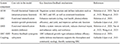 Table 1 Core roles and coupling relationships of each system in the AESS-ARC-ABD model Note: This table summarizes the core roles of the Agro-ecological Simplified System (AESS) and its two functional modules, ARC (growth coupling) and ABD (biotic defense coupling), within the integrated AESS-ARC-ABD framework; AESS defines the overarching structure-process-function logic and system constraints, while ARC and ABD respectively internalize productive functions and govern biological risks through life-based processes; Their positive-feedback coupling supports functional intensification by reducing input intensity (III) and management complexity (MCI), while enhancing overall system functioning (SFI) |
4.2 System dynamics model
To elevate the AESS-ARC-ABD integration from a conceptual framework to a simulatable and optimizable decision-support tool, it is necessary to construct a corresponding system dynamics model and coupling coordination analysis framework. The model takes a field plot or regional agroecosystem as its boundary and defines core state variables such as soil organic carbon pools, inorganic nutrient pools, rhizosphere microbial diversity, crop biomass, pest and pathogen population density, and natural enemy community stability. At the same time, exogenous flows-including chemical fertilizers, pesticides, energy inputs, and biological inputs-are incorporated, together with functional relationships reflecting changes in III, MCI, and SFI (Helenius et al., 2020; Yao et al., 2022).
In terms of feedback structure, ARC and ABD are closely linked to AESS through multiple positive and negative feedback loops:
ARC strengthens rhizosphere microecology and photosynthetic capacity, promotes improvements in soil fertility and accelerates crop growth, thereby increasing root exudation and residue return, which in turn enhances microbial diversity and soil organic carbon accumulation, forming a positive feedback loop of “growth promotion-carbon sequestration-further growth promotion”;
ABD reduces pest and pathogen population size and outbreak frequency through genetic defense, microbial defense, and community-level ecological defense, thereby decreasing pesticide inputs and emergency control operations, weakening disturbances to beneficial organisms and the environment, and further stabilizing the rhizosphere and community ecology upon which ARC depends, forming a positive feedback chain of “enhanced immunity-reduced chemical use and disturbance-microecological stabilization-stronger immunity”;
Interactions such as pest-natural enemy dynamics and input-environmental pressure relationships constrain excessive system growth and imbalance through negative feedback mechanisms, keeping the system operating within a relatively safe ecological window (Helenius et al., 2020; Gallardo-López et al., 2021).
In quantitative terms, the AESS-ARC-ABD system can be conceptualized as the dynamic evolution of a state variable vector X(t):

Here, X represents the vector of system state variables (such as soil carbon pool, crop biomass, pest population pool, natural enemy pool, microbial diversity index, etc.); UAESS denotes management decision variables at the structural and process levels (e.g., input structure, operation frequency); UARC and UABD represent the configuration intensities of the ARC and ABD modules, respectively (such as the dosage of biological agents, the application intensity of Bt/RNAi, and natural enemy conservation measures). Together, these variables characterize the integrated effects of intrinsic ecological processes and management interventions within the system.
At the methodological level, dynamic modeling tools such as coupling coordination models and synergy degree analysis have been applied to evaluate similar integrated agricultural-ecological-economic systems, demonstrating that a high level of coupling and coordination is crucial for achieving sustainable development (Yao et al., 2022; Wang et al., 2023). In the context of AESS, the ARC subsystem and the ABD subsystem can be regarded as two interacting subsystems. By constructing indicators of coupling degree and coordination degree, the integrated “growth-defense” process can be quantitatively evaluated:
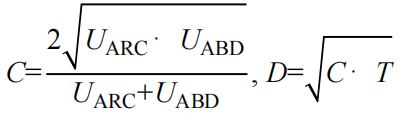
Here, UARC and UABD represent the comprehensive performance indicators of the ARC and ABD subsystems, respectively (such as the normalized values of the Agro-ecological Enhancement Index, AEI, and the Agro-defense Index, ADI); C denotes the coupling degree; T represents the weighted composite index of the overall development level of the two subsystems; and D refers to the coupling coordination degree.
At the application level, through parameterization and scenario simulation of the AESS-ARC-ABD system dynamics model, it is possible to compare the long-term evolutionary trajectories of the system under different input structures, management strategies, and technological combinations. This approach enables the identification of key thresholds and sensitive links for achieving the coordinated optimization of “structural simplification-process simplification-functional enhancement” (Helenius et al., 2020; Yao et al., 2022). For example, scenarios can be simulated in which chemical fertilizer and pesticide use are gradually reduced while the application intensity of ARC and ABD is simultaneously increased, allowing analysis of the dynamic pathways of III, MCI, and SFI, as well as the responses of yield, quality, and ecological indicators. Such simulations provide a quantitative basis for developing differentiated AESS configuration schemes tailored to different regions and crop types.
Through this “model-mediated” pathway, the AESS-ARC-ABD integrated model becomes not only a theoretical tool for interpreting reality but also an engineering platform for designing future green, high-yield, and resilient agricultural systems. It aligns closely with contemporary agroecological perspectives emphasizing “holism, dynamism, and multi-actor coordination” (Helenius et al., 2020; Gallardo-López et al., 2021).
5 Conclusion and Prospects
This study revisits the “technology stacking trap” in modern agriculture and proposes the Agricultural Ecological Simplification System (AESS) framework. The framework emphasizes achieving synergy between high productivity and ecological resilience through functional strengthening under conditions of structural and process simplification. Rather than treating increased external inputs or the accumulation of technical packages as indicators of development, AESS restructures the relationship among “structure-process-function,” enabling stable system performance to be supported by fewer yet more coordinated elements. The introduction of indicators such as Input Intensity Index (III), Management Complexity Index (MCI), and System Function Index (SFI) provides a quantitative approach to evaluating the coupling among inputs, management, and functional outcomes, offering a reference pathway for the transition from “high input, high intervention, high risk” systems to those characterized by simplification, stability, and efficiency.
Within this framework, ARC growth-promoting coupling and ABD defense coupling together constitute the core driving forces of AESS. ARC enhances root-microbe interactions to strengthen growth promotion, biological nitrogen fixation, nutrient utilization, and carbon sequestration processes, thereby elevating productivity through microecological mechanisms. ABD integrates genetic defense, biological control, and natural enemy utilization to establish an immune-like defense network, reducing reliance on chemical pesticides while improving systemic stability. Their synergy helps stabilize microbial communities, enhance plant health and productivity, and gradually transform agricultural systems from externally controlled “passive production units” into self-organizing, life-driven “active biological systems”.
Although this study proposes the AESS-ARC-ABD conceptual model and a preliminary indicator system, significant challenges remain in translating it into scalable technologies and governance tools. Future efforts may focus on three key directions. First, constructing rhizosphere microbiome assembly models to identify key functional groups and regulatory factors under different scenarios, thereby providing a predictive and designable basis for ARC. Second, developing ecological immune evolution models for ABD to evaluate defense synergies and trade-offs across multiple scales, and to assess resistance evolution and non-target effects. Third, integrating regional resource endowments and operational models to establish replicable AESS application pathways, while incorporating the principle of simplification into relevant policy instruments.
AESS offers a technically actionable starting point for agricultural transformation. By embedding ARC and ABD modules within a simplified agroecological framework, it becomes possible to simultaneously optimize yield, environmental quality, and system resilience without increasing, and potentially even reducing external inputs. Continued research and practice focused on microbial community construction, ecological immune mechanisms, and regionally adapted application systems will be essential for unlocking the potential of AESS and advancing agriculture toward a future that is more resilient, greener, and highly productive.
Authors’ contributions
Xuanjun Fang was the executor of this study, responsible for literature review and data analysis, as well as the drafting and revision of the manuscript. The author read and approved the final manuscript.
Aasfar A., Bargaz A., Yaakoubi K., Hilali A., Bennis I., Zeroual Y., and Kadmiri I.E., 2021, Nitrogen fixing azotobacter species as potential soil biological enhancers for crop nutrition and yield stability, Frontiers in Microbiology, 12: 628379.
https://doi.org/10.3389/fmicb.2021.628379
Abbas A., Zhao C., Waseem M., Khan A., and Ahmad R., 2022, Analysis of energy input-output of farms and assessment of greenhouse gas emissions: a case study of cotton growers, Frontiers in Environmental Science, 9: 826838.
https://doi.org/10.3389/fenvs.2021.826838
Ansabayeva A., Makhambetov M., Rebouh N.Y., Abdelkader M., Saudy H.S., Hassan K.M., Nasser M., Ali M., and Ebrahim M., 2025, Plant growth-promoting microbes for resilient farming systems: Mitigating environmental stressors and boosting crops productivity-a review, Horticulturae, 11(3): 260.
https://doi.org/10.3390/horticulturae11030260
Balyan S., Jangir H., Tripathi S., Tripathi A., Jhang T., and Pandey P., 2024, Seeding a sustainable future: navigating the digital horizon of smart agriculture, Sustainability, 16(2): 475.
https://doi.org/10.3390/su16020475
Barrett H., and Rose D.C., 2022, Perceptions of the fourth agricultural revolution: what’s in what’s out and what consequences are anticipated? Sociologia Ruralis, 62(2): 162-189.
https://doi.org/10.1111/soru.12324
Begum N., Qin C., Ahanger M.A., Raza S., Khan M.I., Ashraf M., Ahmed N., and Zhang L., 2019, Role of arbuscular mycorrhizal fungi in plant growth regulation: implications in abiotic stress tolerance, Frontiers in Plant Science, 10: 1068.
https://doi.org/10.3389/fpls.2019.01068
Bukhat S., Imran A., Javaid S., Shahid M., Majeed A., and Naqqash T., 2020, Communication of plants with microbial world: exploring the regulatory networks for PGPR mediated defense signaling, Microbiological Research, 238: 126486.
https://doi.org/10.1016/j.micres.2020.126486
Gallardo-López F., Linares-Gabriel A., and Hernández-Chontal M.A., 2021, Theoretical and conceptual considerations for analyzing social interfaces in agroecosystems, Frontiers in Sustainable Food Systems, 5: 658438.
https://doi.org/10.3389/fsufs.2021.658438
Gámez-Virués S., Perović D.J., Gossner M.M., Börschig C., Blüthgen N., de Jong H., Simons N.K., Klein A.M., Krauss J., Maier G., Scherber C., Steckel J., Rothenwöhrer C., Steffan-Dewenter I., Weiner C.N., Weisser W.W., Werner M., Tscharntke T., and Westphal C., 2015, Landscape simplification filters species traits and drives biotic homogenization, Nature Communications, 6(1): 8568.
https://doi.org/10.1038/ncomms9568
Gras C., and Cáceres D., 2020, Technology nature’s appropriation and capital accumulation in modern agriculture, Current Opinion in Environmental Sustainability, 45: 1-9.
https://doi.org/10.1016/j.cosust.2020.04.001
Grover M., Bodhankar S., Sharma A., Sharma P., Singh J., and Nain L., 2021, PGPR mediated alterations in root traits: way toward sustainable crop production, Frontiers in Sustainable Food Systems, 4: 618230.
https://doi.org/10.3389/fsufs.2020.618230
Hakim S., Naqqash T., Nawaz M.S., Laraib I., Siddique M.J., Zia R., Mirza M.S., and Imran A., 2021, Rhizosphere engineering with plant growth-promoting microorganisms for agriculture and ecological sustainability, Frontiers in Sustainable Food Systems, 5: 617157.
https://doi.org/10.3389/fsufs.2021.617157
He R., Shao C., Shi R., Zhang Z., and Zhao R., 2020, Development trend and driving factors of agricultural chemical fertilizer efficiency in China, Sustainability, 12(11): 4607.
https://doi.org/10.3390/su12114607
Helenius J., Hagolani-Albov S.E., and Koppelmäki K., 2020, Co-creating agroecological symbioses (AES) for sustainable food system networks, Frontiers in Sustainable Food Systems, 4: 588715.
https://doi.org/10.3389/fsufs.2020.588715
Horrigan L., Lawrence R., and Walker P., 2002, How sustainable agriculture can address the environmental and human health harms of industrial agriculture, Environmental Health Perspectives, 110(5): 445-456.
https://doi.org/10.1289/ehp.02110445
Kaur S., Samota M.K., Choudhary M., Choudhary M., Pandey A.K., Sharma A., and Thakur J., 2022, How do plants defend themselves against pathogens-biochemical mechanisms and genetic interventions, Physiology and Molecular Biology of Plants, 28(3): 485-504.
https://doi.org/10.1007/s12298-022-01146-y
Liu Y., Shi A., Chen Y., Xu Z., Liu Y., Yao Y., Wang Y., and Jia B., 2024, Beneficial microorganisms: regulating growth and defense for plant welfare, Plant Biotechnology Journal, 23(3): 986-998.
https://doi.org/10.1111/pbi.14554
Ngosong C., Tatah B.L., Olougou M.D., Suh C., Nkongho R.N., Ngone M.A., Achiri T.D., Tchakounté G.V.T., and Ruppel S., 2022, Inoculating plant growth-promoting bacteria and arbuscular mycorrhiza fungi modulates rhizosphere acid phosphatase and nodulation activities and enhances the productivity of soybean (Glycine max), Frontiers in Plant Science, 13: 934339.
https://doi.org/10.3389/fpls.2022.934339
Nishad R., Ahmed T., Rahman V.J., and Kareem A., 2020, Modulation of plant defense system in response to microbial interactions, Frontiers in Microbiology, 11: 1298.
https://doi.org/10.3389/fmicb.2020.01298
Noman A., Aqeel M., Qasim M., Haider I., and Lou Y., 2020, Plant-insect-microbe interaction: a love triangle between enemies in ecosystem, Science of the Total Environment, 699: 134181.
https://doi.org/10.1016/j.scitotenv.2019.134181
Petersen-Rockney M., Baur P., Guzman A., Bender S.F., Calo A., Castillo F., De Master K.T., Dumont A.M., Esquivel K., Kremen C., LaChance J., Mooshammer M., Ory J., Price M., Socolar Y., Stanley P.L., Iles A., and Bowles T.M., 2021, Narrow and brittle or broad and nimble? comparing adaptive capacity in simplifying and diversifying farming systems, Frontiers in Sustainable Food Systems, 5: 564900.
https://doi.org/10.3389/fsufs.2021.564900
Pretty J., 2018, Intensification for redesigned and sustainable agricultural systems, Science, 362(6417): eaav0294.
https://doi.org/10.1126/science.aav0294
Pretty J., Benton T.G., Bharucha Z.P., Dicks L.V., Flora C.B., Godfray H.C.J., Goulson D., Hartley S., Lampkin N., Morris C., Pierzynski G., Prasad P.V.V., Reganold J.P., Rockström J., Smith P., Thorne P., and Wratten S.D., 2018, Global assessment of agricultural system redesign for sustainable intensification, Nature Sustainability, 1(8): 441-446.
https://doi.org/10.1038/s41893-018-0114-0
Rad S., Ray A., and Barghi S., 2022, Water pollution and agriculture pesticide, Clean Technologies, 4(4): 1088-1102.
https://doi.org/10.3390/cleantechnol4040066
Saeed Q., Wang X., Haider F.U., Kučerík J., Mumtaz M.Z., Holátko J., Naseem M., Kintl A., Ejaz M., Naveed M., Brtnický M., and Mustafa A., 2021, Rhizosphere bacteria in plant growth promotion biocontrol and bioremediation of contaminated sites: a comprehensive review of effects and mechanisms, International Journal of Molecular Sciences, 22(19): 10529.
https://doi.org/10.3390/ijms221910529
Shah F., and Wu W., 2019, Soil and crop management strategies to ensure higher crop productivity within sustainable environments, Sustainability, 11(5): 1485.
https://doi.org/10.3390/su11051485
Thérond O., Duru M., Roger-Estrade J., and Richard G., 2017, A new analytical framework of farming system and agriculture model diversities, a review, Agronomy for Sustainable Development, 37(3): 21.
https://doi.org/10.1007/s13593-017-0429-7
Tittonell P., 2020, Assessing resilience and adaptability in agroecological transitions, Agricultural Systems, 184: 102862
https://doi.org/10.1016/j.agsy.2020.102862
Visser O., Sippel S., and Thiemann L., 2021, Imprecision farming? examining the (in) accuracy and risks of digital agriculture, Journal of Rural Studies, 86: 623-632.
https://doi.org/10.1016/j.jrurstud.2021.07.024
Wang Y., Chen H., and Zhang Y., 2023, Spatial characteristics of coupling development of ecological protection and agricultural economy in China, Sustainability, 15(11): 9068.
https://doi.org/10.3390/su15119068
Yao L., Halike A., Wei Q., Tang H., and Tuheti B., 2022, Research on coupling and coordination of agro-ecological and agricultural economic systems in the Ebinur Lake Basin, Sustainability, 14(16): 10327.
https://doi.org/10.3390/su141610327
Zhang L., Yan C., Guo Q., Zhang J., and Ruiz-Menjivar J., 2018, The impact of agricultural chemical inputs on environment: global evidence from informetrics analysis and visualization, International Journal of Low-Carbon Technologies, 13(4): 338-352.
https://doi.org/10.1093/ijlct/cty039
Zhang Y., Xu Q., Wang G., and Shi K., 2023, Mixed Enterobacter and Klebsiella bacteria enhance soybean biological nitrogen fixation ability when combined with rhizobia inoculation, Soil Biology and Biochemistry, 184: 109100.
https://doi.org/10.1016/j.soilbio.2023.109100




. HTML
Associated material
. Readers' comments
Other articles by authors
. Xuanjun Fang

Related articles
. Agro-ecological simplified system (AESS)
. Technological stacking trap
. Structural and process simplification
. System functional intensification
. ARC growth-promoting coupling
. ABD defense coupling
. Green high-yield agriculture
Tools
. Post a comment